
Navigating the complexities of healthcare, whether for oneself or a loved one, often necessitates proximity to medical facilities. When an apartment becomes less a dwelling and more a strategic outpost in the landscape of health management, its location relative to an institution like Flagler Health+ in St. Augustine, Florida, gains paramount importance. This exploration delves into the practical considerations and infrastructural advantages of residing in the immediate vicinity of this medical center, offering a structured overview for those seeking pragmatic housing solutions.
Understanding the Locale: St. Augustine’s Healthcare Hub
St. Augustine, lauded for its historical significance and coastal charm, also serves as a regional healthcare nexus, with Flagler Health+ at its core. This institution is not merely a collection of buildings; it is an ecosystem of medical services, ranging from emergency care and specialized treatments to preventative medicine and rehabilitation. For individuals requiring frequent visits, extended stays for family members receiving care, or even healthcare professionals working within the system, the geographical distance to this hub transforms from a mere number into a tangible factor influencing daily routines, stress levels, and overall quality of life. Consider the landscape of St. Augustine with Flagler Health+ as its gravitational center for health-related matters. Apartments in its orbit, therefore, acquire a unique value proposition, extending beyond typical real estate metrics.
Flagler Health+: A Comprehensive Overview
Flagler Health+ is a not-for-profit healthcare system that has been serving the St. Johns County community for over a century. Its primary campus in St. Augustine offers a broad spectrum of services. This institutional breadth is a key consideration when evaluating the benefits of nearby housing.
Specialized Services and Centers
The hospital campus houses numerous specialized centers, including a Heart & Vascular Institute, a Cancer Care Center, a Bariatric Surgery Center, and a Womens’ Health Center. This specialization means that patients may visit multiple departments, making a consolidated, nearby residence beneficial. The logistical dance of appointment scheduling and travel is considerably simplified when the journey is measured in minutes rather than miles.
Emergency and Urgent Care Facilities
The presence of a 24/7 Emergency Department is a cornerstone of Flagler Health+’s offerings. For those with chronic conditions, young families, or individuals prone to medical emergencies, living close to such a facility is akin to possessing an invisible safety net. The critical minutes saved in transit can profoundly impact outcomes, transforming a potentially dire situation into a manageable one.
Rehabilitation and Wellness Programs
Beyond acute care, Flagler Health+ provides extensive rehabilitation services, including physical, occupational, and speech therapy. For patients undergoing prolonged recovery, the sheer convenience of a short commute to therapy sessions can alleviate a significant burden, facilitating consistent attendance and, consequently, more effective recovery. Wellness programs, aimed at preventative care and health maintenance, also become more accessible.
Strategic Location: Proximity as a Primary Amenity
The concept of “convenient apartments” around Flagler Health+ is anchored in the principle that location is not just about aesthetics or neighborhood character, but about functional efficiency. For a specific demographic, geographical proximity becomes the paramount amenity, overshadowing typical preferences for pools, gyms, or even square footage. It is a utility, as essential as electricity or running water, for those whose lives are, in various capacities, intertwined with the medical facility.
Defining “Convenient”
What constitutes “convenient” in this context is subjective but generally translates to a commute time of under 15 minutes by car, or ideally, within walking or cycling distance. This reduces reliance on public transport schedules, minimizes fuel consumption, and, crucially, lessens the mental strain associated with travel, especially in stressful circumstances.
Accessibility via Major Thoroughfares
Apartments considered convenient are typically situated near major roads and arteries that provide direct routes to the Flagler Health+ campus. Routes such as US-1 (Ponce de Leon Blvd), SR-16, and I-95 feeder roads are critical. Efficient access mitigates traffic delays, which, during health-related emergencies or time-sensitive appointments, can be a significant concern.

Public Transportation Options
While St. Augustine’s public transportation network is not as extensive as larger metropolitan areas, understanding the availability of bus routes or shuttle services that connect residential areas to the hospital campus is an important consideration for non-drivers or those wishing to reduce their carbon footprint. Verifying the proximity of bus stops and the frequency of service is a practical step.
Proximity to Complementary Services
Beyond the hospital itself, “convenient” also implies proximity to ancillary services that frequently accompany healthcare journeys. This includes pharmacies, medical supply stores, specialized clinics, and even reputable childcare facilities for healthcare professionals or patients with young families. These services form a supportive constellation around the central star of Flagler Health+.
Types of Convenient Apartments: A Spectrum of Choices
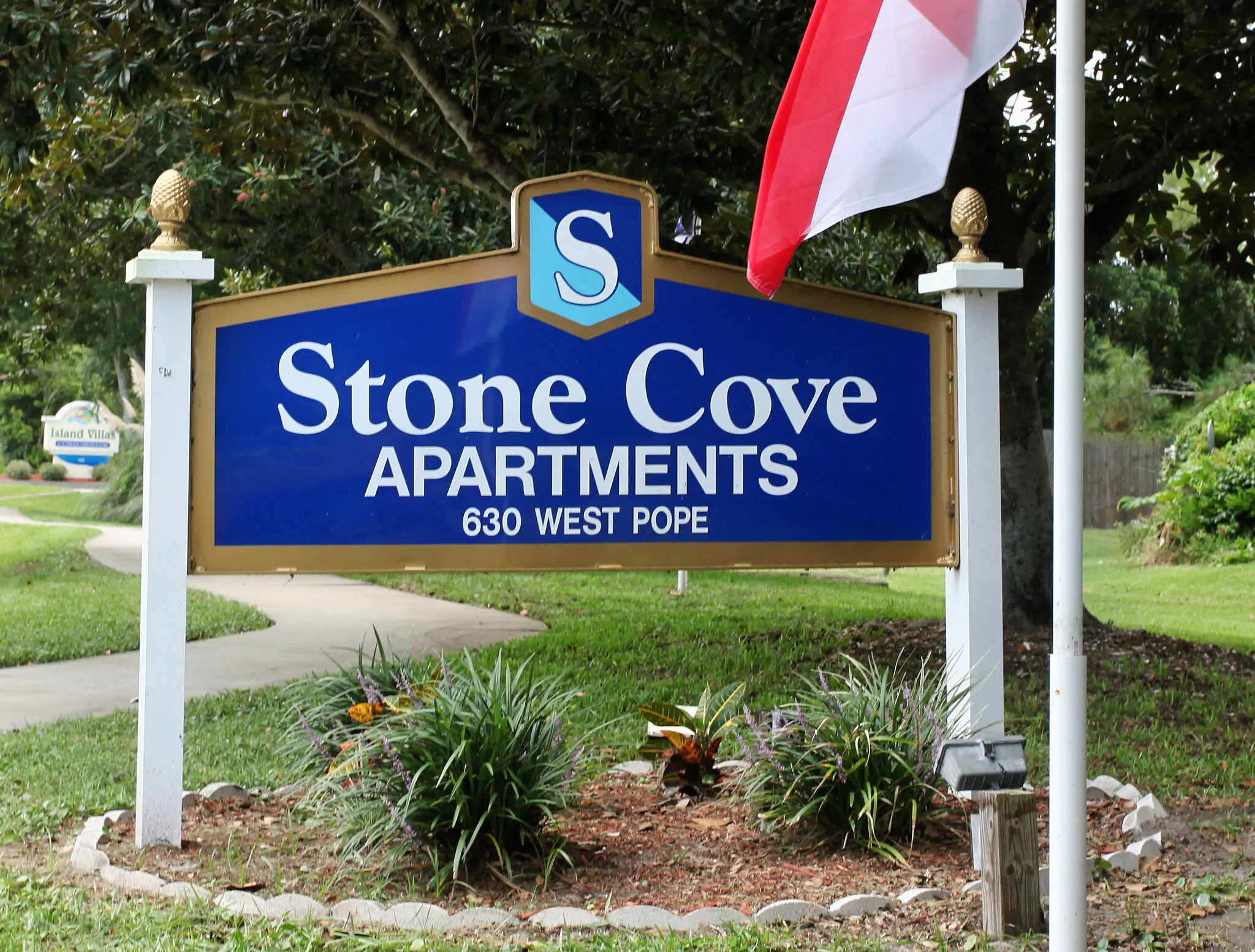
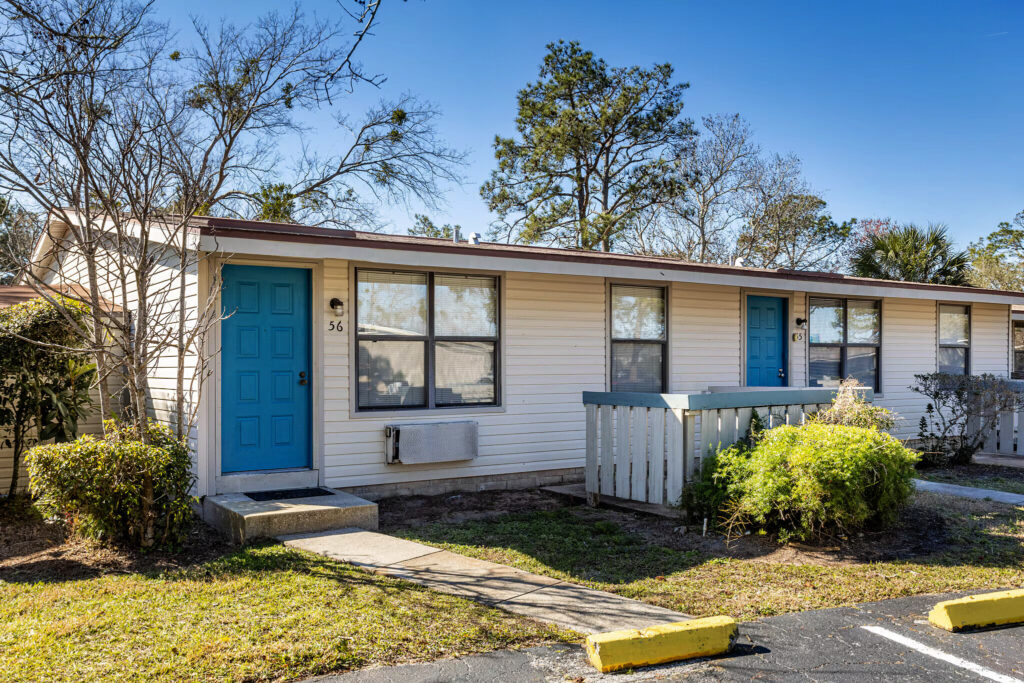
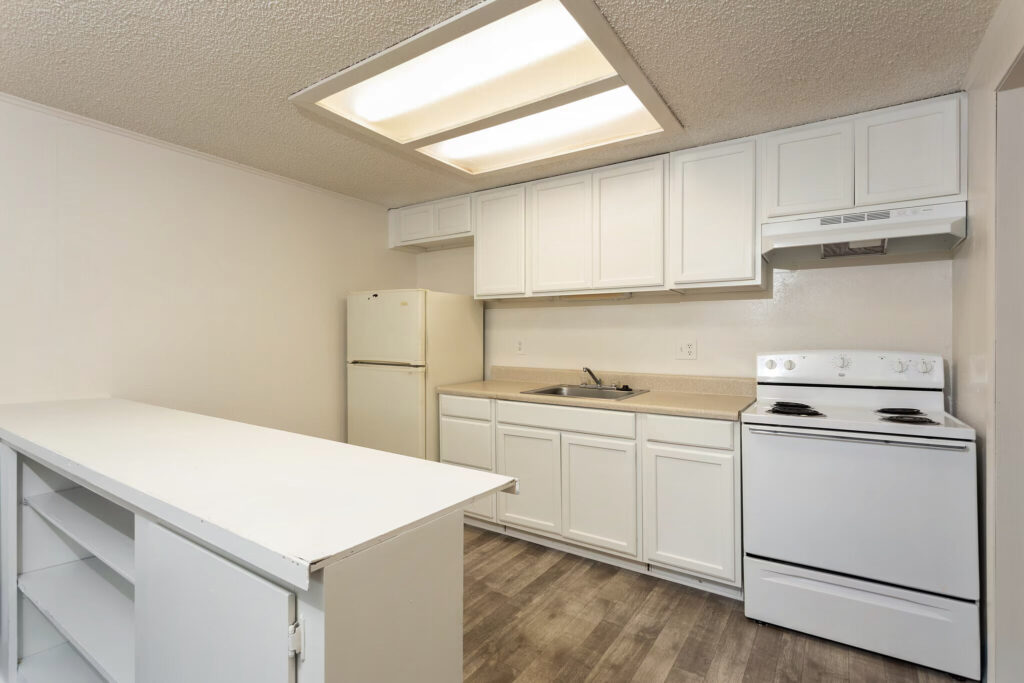
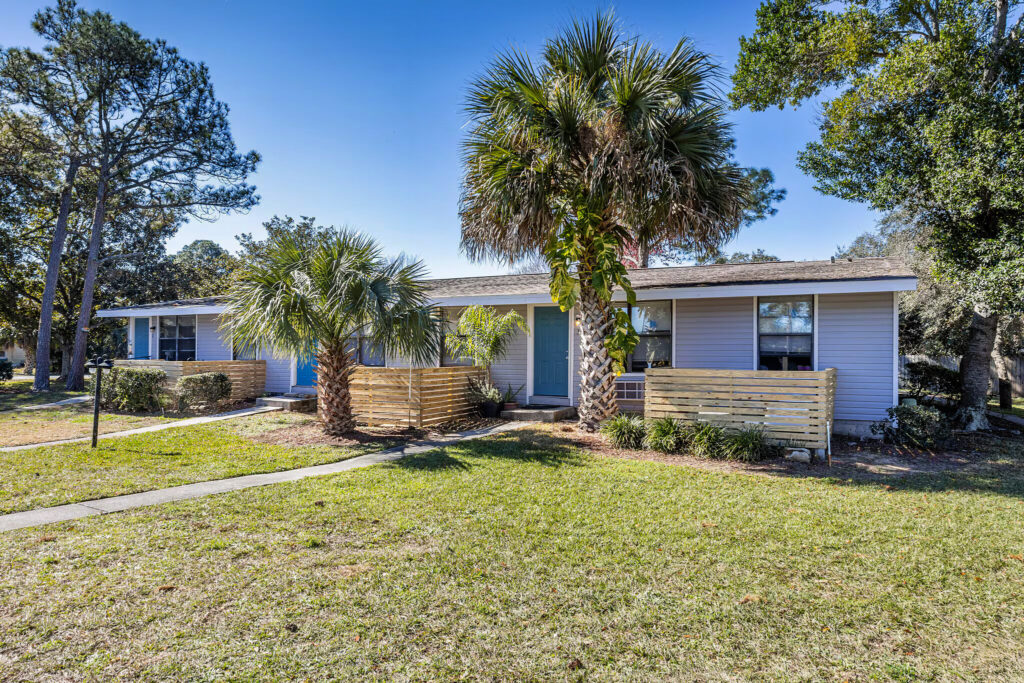
The St. Augustine real estate market around Flagler Health+ offers a diverse portfolio of housing options, catering to different needs, budgets, and lifestyles. From contemporary complexes with a full suite of amenities to more modest, established communities, the spectrum is broad. Potential residents, therefore, act as architects of their own living solutions, selecting the framework that best supports their health-centric intentions.
Apartment Complexes vs. Private Rentals
The choice between a managed apartment complex and a private rental unit often hinges on flexibility, lease terms, and the desired level of maintenance support.
Managed Apartment Complexes
These typically offer a range of amenities (e.g., fitness centers, communal lounges, maintenance staff) and standardized lease agreements. They can provide a predictable living experience, often with on-site management to address issues promptly. For those new to the area or seeking a turn-key solution, a complex might be preferable. They often represent a more modern construction, incorporating contemporary design and energy efficiency.
Private Rental Units
These can include single-family homes, duplexes, or smaller multi-family units rented directly from owners. They may offer more unique characteristics, potentially larger living spaces, and sometimes more flexibility in terms of pet policies or aesthetic modifications. However, maintenance responsiveness can vary, and lease terms might be less standardized. This option often appeals to those seeking a more residential, less communal atmosphere.
Furnished vs. Unfurnished Options
For short-term needs, such as for visiting medical professionals, temporary residents supporting family, or those undergoing short-term treatment, furnished apartments present a logistical advantage.
Furnished Apartments
These units come equipped with essential furniture, often kitchenware, and sometimes even linens. They are ideal for individuals or families needing immediate occupancy without the burden of moving furniture or purchasing household items. Corporate housing providers often specialize in this segment, offering flexible lease terms.
Unfurnished Apartments
The majority of rental options are unfurnished, providing residents with a blank canvas to personalize their living space. This is generally preferred for long-term residents and offers cost savings compared to furnished units. Personalization can be a significant factor in creating a comfortable and stress-reducing environment, which is particularly important during periods of health-related stress.
Logistical Considerations: Beyond the Four Walls
The act of choosing an apartment near Flagler Health+ extends beyond the physical confines of the unit itself. It encompasses a broader assessment of the surrounding infrastructure, the micro-environment, and the practicalities of daily life. This holistic view ensures that the chosen residence acts as a true supportive pillar, not just a place to sleep.
Commute Dynamics
Even within a small radius, the nuances of the commute can differ significantly. Understanding traffic patterns, school zones, and potential construction areas can prevent unforeseen delays or frustrations.
Peak-Hour Traffic Patterns
St. Augustine, while not a metropolis, experiences peak traffic, especially during tourist seasons or rush hours. Familiarity with these patterns, possibly through test drives during different times of the day, is invaluable. A five-minute drive at 10 AM might become a 15-minute journey at 8 AM.
Parking Availability
For residents relying on their vehicles, understanding the parking situation at both the apartment complex and the hospital campus is crucial. Some apartments might offer assigned parking, while others might operate on a first-come, first-served basis. Similarly, patient and visitor parking at Flagler Health+ should be factored into the overall accessibility equation.
Community Amenities and Support Services
The immediate neighborhood surrounding the apartment can significantly contribute to the resident’s well-being, especially for those navigating health challenges.
Grocery Stores and Pharmacies
Easy access to essential services like grocery stores (e.g., Publix, Winn-Dixie) and pharmacies (e.g., CVS, Walgreens) is fundamental. Minimizing effort for daily errands conserves energy and time that might be better spent on self-care or supporting a loved one. The presence of specialized pharmacies for unique prescriptions should also be noted.
Dining Options and Cafes
For days when cooking is not feasible or desired, a variety of dining options, from casual eateries to take-out services, can be a great convenience. Healthy meal options are particularly important for individuals with specific dietary needs or those recovering from illness. Cafes can offer a calm respite, a place for quiet contemplation or remote work.
Recreational Spaces and Green Areas
Proximity to parks, walking trails, or green spaces provides opportunities for light exercise, fresh air, and mental decompression. These amenities are crucial for stress reduction and maintaining physical and mental health, often undervalued in the context of healthcare-focused relocation.
Financial Aspects: Budgeting for Proximity
While the primary driver for these apartments is convenience, the financial implications are, of course, a critical determinant. The cost of living in St. Augustine, particularly in areas near desirable institutions, can fluctuate, and understanding these dynamics is essential for effective budgeting. Proximity often comes with a premium, but that premium can be offset by savings in time, fuel, and stress.
Rental Market Trends
The rental market in St. Augustine, like many desirable Florida locations, is subject to seasonal variations and general economic trends. Awareness of these can inform the timing of a rental search.
Average Rental Costs
Researching current average rental costs for single-bedroom, two-bedroom, and larger units in proximity to Flagler Health+ provides a baseline. These costs are influenced by the age of the property, its amenities, and its exact distance to the hospital. Comparison tools and local real estate agents can offer up-to-date figures.
Lease Terms and Deposits
Understanding standard lease durations (e.g., 6-month, 12-month) and typical security deposit requirements is crucial. Some landlords may offer shorter-term leases at a higher monthly rate, catering to temporary residents. Pet deposits and fees are also common and add to the initial financial outlay.
Additional Costs to Consider
Beyond the monthly rent, several other expenses contribute to the total cost of living and should be factored into the budget.
Utilities and Services
These typically include electricity, water, internet, and sometimes gas. In Florida, air conditioning can be a significant electricity consumer during warmer months. Understanding which utilities are included in the rent versus those that are the tenant’s responsibility is essential.
Insurance and Association Fees
Renters insurance is a prudent investment to protect personal belongings and provide liability coverage. Some apartment complexes might also have mandatory association fees, although these are less common in rental units compared to condominiums.
Moving Expenses
Don’t overlook the costs associated with moving, whether it’s hiring professional movers, renting a truck, or purchasing packing supplies. For those with health considerations, minimizing the physical burden of moving is paramount, and budgeting for professional assistance can be a wise decision.
In conclusion, the search for an apartment near Flagler Health+ in St. Augustine, FL, is a strategic undertaking where convenience transcends mere luxury to become a significant life amenity. It is an investment in time efficiency, stress reduction, and ultimately, well-being. By meticulously evaluating the locale, apartment types, logistical practicalities, and financial implications, individuals can architect a living situation that functions not just as a home, but as a supportive partner in their healthcare journey or professional life within the medical community. The apartments in Flagler Health+’s orbit are more than just addresses; they are strategic outposts in the continuous pursuit of health and tranquility.
FAQs
What types of apartments are available near Flagler Health+ FL?
Apartments near Flagler Health+ FL range from studios and one-bedroom units to larger two- and three-bedroom apartments. Many offer modern amenities such as in-unit laundry, fitness centers, and pet-friendly policies.
How close are the apartments to Flagler Health+ FL?
Most apartments near Flagler Health+ FL are within walking distance or a short drive, typically less than a mile away, providing convenient access for patients, visitors, and healthcare professionals.
Are there public transportation options near these apartments?
Yes, many apartments near Flagler Health+ FL are served by local bus routes and other public transportation options, making it easy to commute to the hospital and other parts of the city.
What is the average rent for apartments near Flagler Health+ FL?
Rent prices vary depending on the size and amenities of the apartment, but generally, one-bedroom apartments near Flagler Health+ FL range from moderate to higher price points due to the convenient location.
Are there grocery stores and other essential services near these apartments?
Yes, apartments near Flagler Health+ FL are typically located close to grocery stores, pharmacies, restaurants, and other essential services, providing residents with easy access to daily necessities.